
Commercial Demolition in Jacksonville: What It Takes to Tear Down a Building the Right Way
By Kyle Park • May 22, 2026
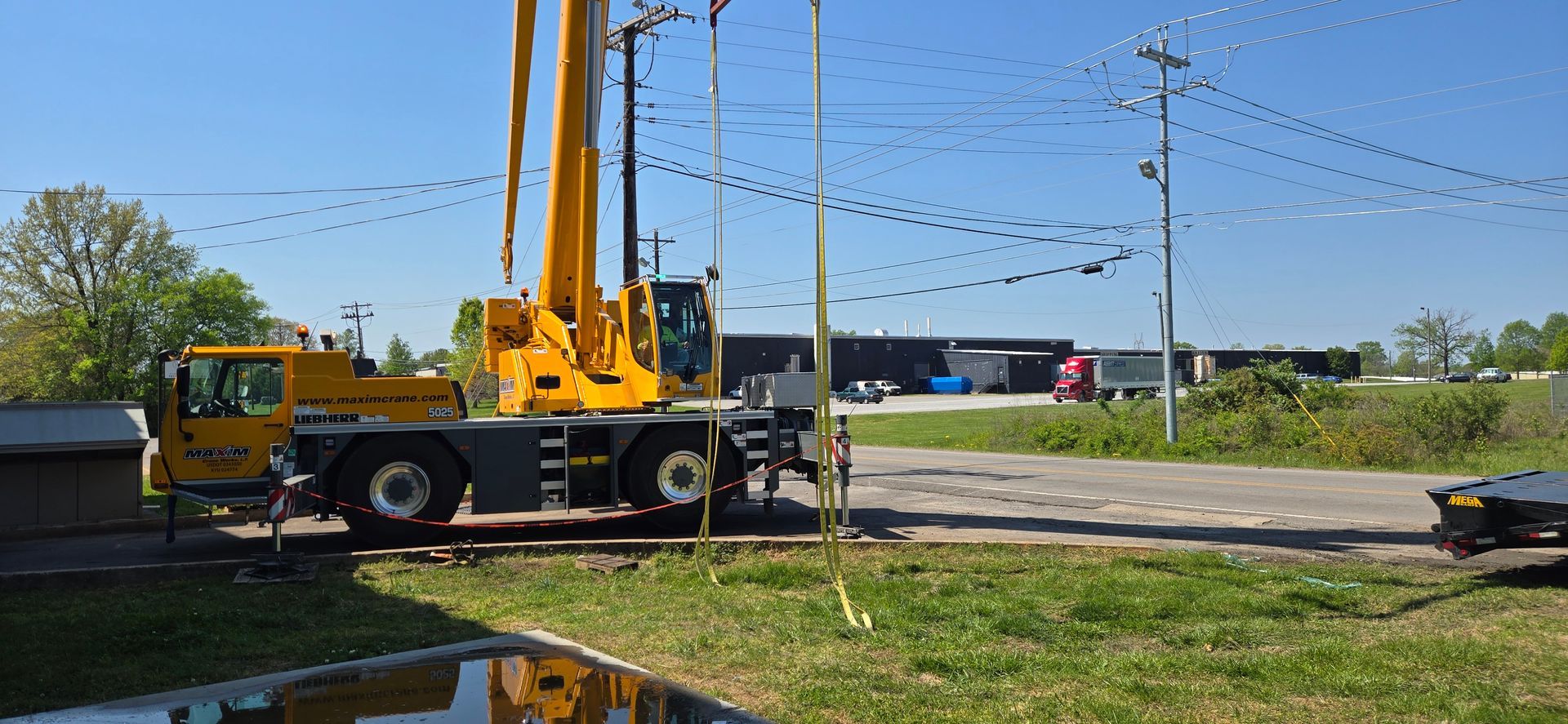
When a building has outlived its purpose, tearing it down looks simple from the outside: bring in a machine, knock it over, haul it off. The reality is the opposite. A clean commercial demolition in Jacksonville takes weeks of planning, three or four agencies' worth of paperwork, and a crew that knows exactly which wall to drop first. Get any of that wrong and you're paying for delays, fines, or worse.
Here's what a real commercial teardown looks like from the inside.
It starts with a walk-through, not a wrecking ball. Before we quote a job, our team inspects the structure on foot. We're looking at construction type (steel frame, concrete tilt-up, wood, masonry), the condition of the slab, neighboring property lines, overhead utilities, and access points for our equipment. A 12,000-square-foot retail box on Beach Boulevard demolishes very differently than a two-story office on a tight downtown lot. The walk-through is also where we flag potential hazards — sagging roof decks, unmarked transformers, that suspicious popcorn ceiling from 1978.
Permits and pre-demo surveys.
Duval County requires a demolition permit before a single panel comes off. That means submitting site plans, proof of utility disconnects (power, gas, water, sewer), and — this is the one that catches people — a current asbestos and lead survey performed by a licensed inspector. Florida DEP enforces strict notification rules. Skipping the survey is the fastest way to turn a four-week job into a four-month legal headache. We handle the paperwork in-house so our clients aren't chasing it down the week before mobilization.
Abatement before demolition.
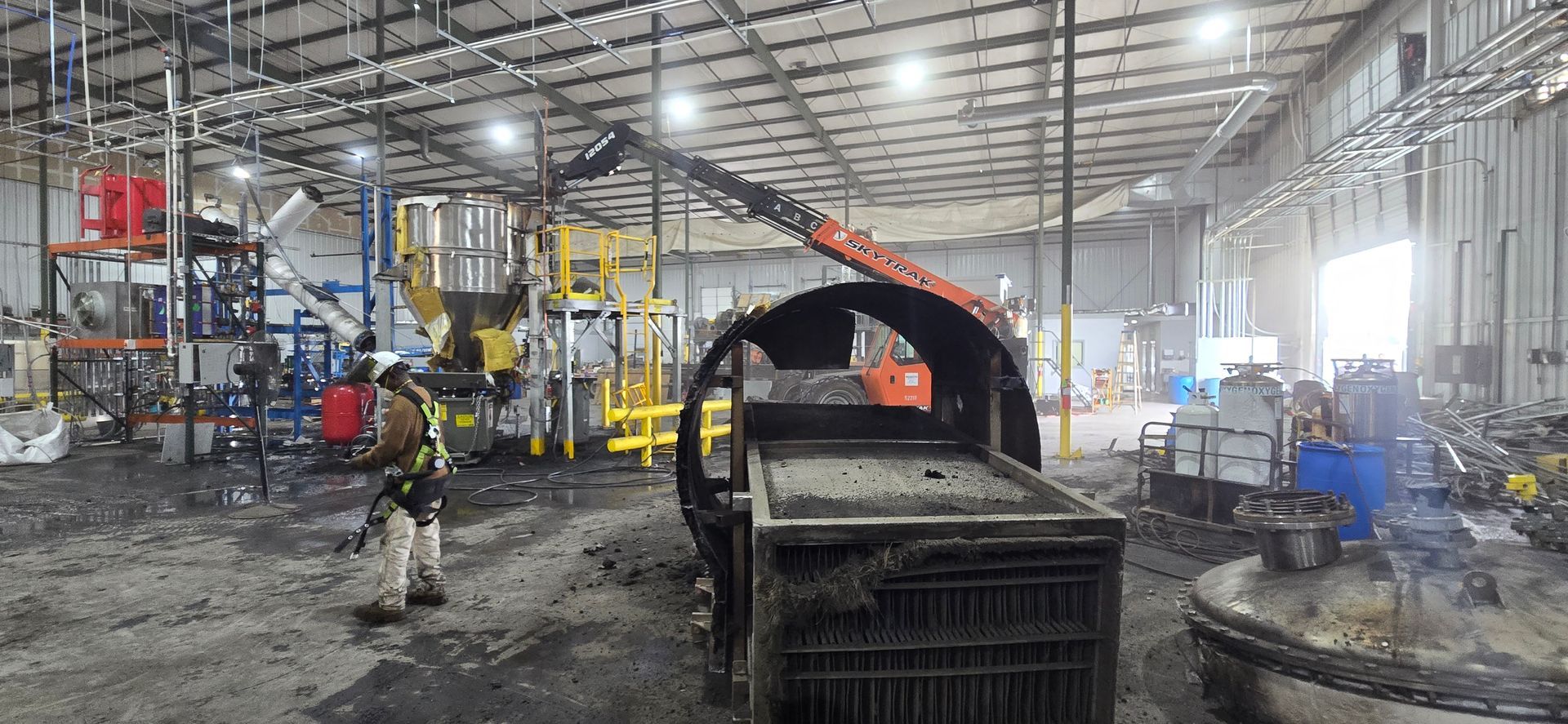
If asbestos-containing materials show up in the survey — floor tile, mastic, pipe insulation, transite siding — they have to come out under controlled conditions before structural demo starts. Same with lead-painted surfaces in older buildings. We coordinate with licensed abatement subcontractors and stage the work so abatement crews finish ahead of our excavators, not alongside them.
The teardown itself.
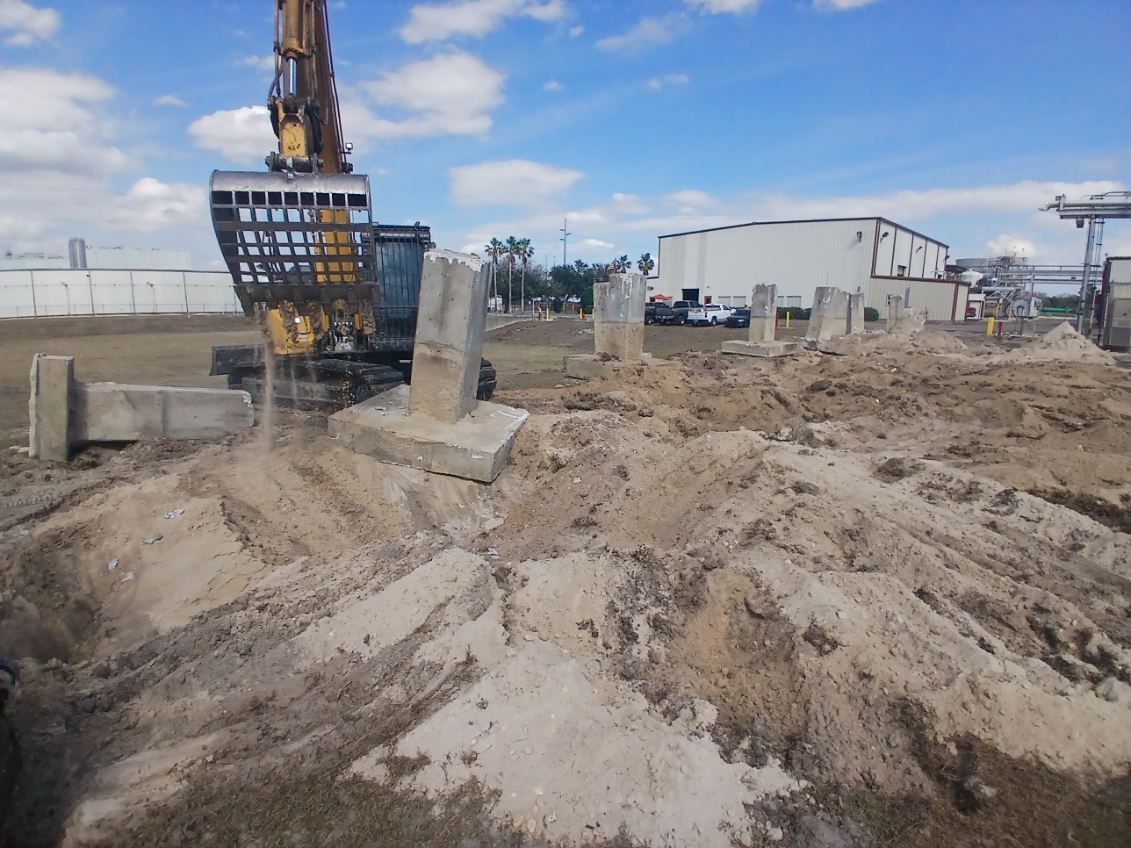
This is where the equipment earns its keep. We run high-reach excavators with shear, hammer, and grapple attachments depending on the structure. Concrete tilt-ups come down section by section. Steel frames get cut and dropped. Wood-framed buildings can be processed in a day or two. We spray water continuously to keep dust contained — Jacksonville's wind off the river will spread debris three blocks if you let it.
Hauling, sorting, and recycling.
Modern commercial demo is also a sorting operation. Concrete, steel, wood, and clean fill all have markets — and dumping mixed debris is the single biggest cost driver on a teardown. We separate materials on site, crush concrete for reuse as roadbase or driveway aggregate, and route metals to scrap. On most commercial jobs we divert 70 to 90 percent of the structure from the landfill. That saves the owner money on tipping fees and adds up to LEED credits if you're chasing certification.
Site closeout.
A finished commercial demolition is a clean, graded pad — not a pile of rubble. We pull foundations and slabs (unless the next build keeps them), backfill voids with engineered fill, compact to spec, and leave the site ready for the next phase of construction. Erosion control stays in place until the next contractor takes over.
Typical timeline.
A straightforward single-story commercial building of 5,000 to 15,000 square feet usually runs three to five weeks from contract signing to final grade: one to two weeks for permits and abatement scheduling, one to two weeks of active demolition, and a few days for site cleanup. Larger or more complex jobs scale from there.
Why Backsight.
We work across Northeast Florida and Southeast Georgia — Jacksonville, Orange Park, St. Augustine, Brunswick, and surrounding metros. Every project gets a dedicated foreman, full insurance documentation up front, and a written schedule we hold ourselves to. We don't pad bids with hidden contingencies, and we don't subcontract the actual demolition work to crews we don't know.
If you've got a commercial building that needs to come down, call us before you finalize your construction schedule. Demolition isn't the part of the project where you want surprises.
Insights to fuel your marketing business
Sign up to get industry insights, trends, and more in your inbox.
Contact Us
We will get back to you as soon as possible.
Please try again later.
SHARE THIS
Latest Posts